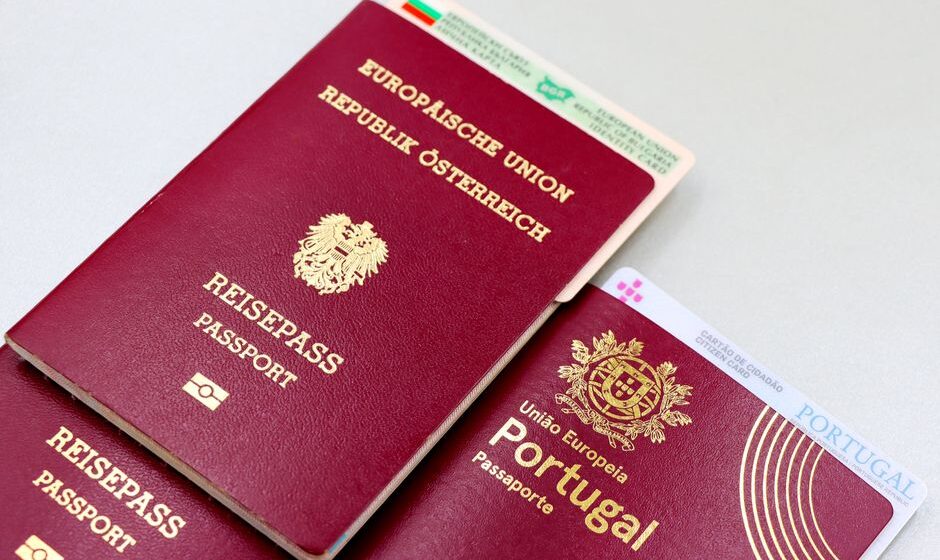

An immigration lawyer advises individuals, families and employers on the laws that govern who can enter, live, work and settle in a country, and represents clients in applications, appeals and court proceedings. The work divides broadly into two areas. Business or corporate immigration helps employers hire and move international staff, covering work visas, employer sponsorship and compliance, intra-company transfers and permanent residence for employees. Private and humanitarian immigration helps individuals with family visas, settlement and citizenship, asylum and refugee protection, deportation and removal defence, detention, and appeals. Immigration lawyers work in law firms of all sizes, specialist immigration practices, nonprofit legal aid organisations, in-house mobility teams and government. In the U.S., immigration attorneys must be licensed lawyers, and the field is governed largely by federal law; in the UK, solicitors and barristers practise immigration law, and other advisers must be regulated to give immigration advice. The work combines detailed rules, frequent policy changes and, often, high personal stakes for clients.
This guide explains what immigration lawyers do, the differences between business and humanitarian practice, the skills required, how to qualify in the U.S. and UK, a worked example, career paths, pay and the realities of the work.
What immigration lawyers do
| Area | Typical work |
|---|---|
| Work visas and sponsorship | Preparing applications for skilled workers and employer-sponsored visas |
| Employer compliance | Advising on right-to-work checks, sponsor obligations and audits |
| Global mobility | Coordinating moves of employees across multiple countries |
| Investor and entrepreneur visas | Applications for business founders and investors |
| Family immigration | Spouse, partner, parent and child visas |
| Settlement and citizenship | Permanent residence, naturalisation and citizenship applications |
| Asylum and refugee protection | Preparing claims, gathering evidence, representing clients at hearings |
| Removal and deportation defence | Challenging removal decisions and representing clients in court |
| Detention | Applications for release and challenges to detention |
| Appeals and judicial review | Challenging refusals and unlawful decisions in tribunals and courts |
| Policy and strategic litigation | Challenging laws or policies, often through nonprofit organisations |
Business vs humanitarian immigration
| Business / corporate immigration | Humanitarian / private immigration | |
|---|---|---|
| Clients | Employers and their employees | Individuals and families |
| Typical matters | Work visas, sponsorship, compliance, mobility | Asylum, family visas, removal defence, appeals |
| Pace | High volume, process-driven, deadline-focused | Case-by-case, often urgent and emotionally demanding |
| Funding | Paid by employers | Private fees, legal aid where available, nonprofit funding |
| Pay | Usually higher | Usually lower, especially in legal aid and nonprofits |
| Advocacy | Less frequent | Regular hearings and appeals |
Many immigration lawyers specialise in one side, though some practices handle both.
Skills immigration lawyers need
- Attention to detail. Applications must meet strict evidential and procedural requirements; small errors can cause refusals.
- Keeping up with change. Immigration rules, policies and fees change frequently.
- Clear communication, explaining complex rules to clients who may be anxious or unfamiliar with the system.
- Empathy and cultural awareness, especially in humanitarian work.
- Evidence gathering, assembling documents, witness statements and expert reports.
- Advocacy, presenting cases at hearings and appeals.
- Organisation, managing many deadlines and cases at once.
- Resilience, coping with distressing cases and outcomes outside your control.
How to become an immigration lawyer
In the United States
- Earn a bachelor’s degree, then a Juris Doctor (JD) from an accredited law school.
- Pass a state bar exam. Because immigration law is federal, a licensed attorney can generally practise immigration law across states, though state bar rules on practice and advertising still apply.
- Take immigration law courses and clinics during law school; many schools run immigration clinics representing real clients.
- Gain experience through internships with immigration firms, nonprofits, public defenders or government agencies.
- Join professional associations for immigration lawyers to access training and networks.
In England and Wales
- Qualify as a solicitor through the SQE route, or as a barrister. Our guides to the SQE route and solicitors vs barristers explain the options.
- Seek immigration experience during qualifying work experience or pupillage, with immigration firms, chambers or law centres.
- Understand regulation of immigration advice: non-lawyers who give immigration advice must generally be regulated by the relevant body, while solicitors and barristers are regulated through their professions.
- Consider accreditation schemes relevant to immigration and asylum work, particularly for publicly funded practice.
Experience that helps
- Volunteering with refugee and migrant support organisations.
- Language skills relevant to client communities.
- Paralegal or caseworker roles in immigration practices. Our paralegal career guide explains how these roles work.
- Human resources or global mobility experience for business immigration.
A worked example: a skilled worker application (hypothetical)
A technology company in the UK wants to hire a software engineer from another country. The business immigration lawyer:
- Checks sponsorship: confirms the company holds a valid sponsor licence, or advises on applying for one, including the compliance duties that come with it.
- Assesses eligibility: confirms the role, salary and skill level meet the visa requirements in force at the time, and that the candidate meets requirements such as English language.
- Prepares the sponsorship and application: assigns the necessary sponsorship documentation and prepares the candidate’s application with supporting evidence.
- Advises on dependants: explains options for the candidate’s partner and children.
- Plans for compliance: reminds the company of record-keeping and reporting duties for sponsored workers.
- Plans ahead: outlines the route to settlement and the conditions for extending the visa.
Requirements change frequently, so lawyers always check current rules and guidance. The example is illustrative, but it shows the process-driven, detail-focused nature of business immigration.
A day in the life (hypothetical)
Here’s an illustrative day for an immigration solicitor at a firm handling both business and private clients:
- 9:00 Reviews new policy guidance published overnight and updates a client checklist.
- 10:00 Advises an HR team on right-to-work checks for new hires.
- 11:30 Meets a family client to prepare a spouse visa application, reviewing financial and relationship evidence.
- 13:30 Drafts grounds of appeal for a client refused leave to remain.
- 15:00 Call with a corporate client planning to transfer staff from overseas offices.
- 16:30 Prepares a client for a tribunal hearing next week, reviewing witness statements and country evidence.
Career path
| Stage | Typical roles |
|---|---|
| Entry | Paralegal, caseworker, trainee solicitor, law clerk |
| Junior lawyer | Associate handling applications and supporting appeals |
| Experienced lawyer | Senior associate managing caseloads, advocacy, complex matters |
| Senior | Partner, head of immigration, supervising solicitor at a law centre |
| In-house | Global mobility counsel, immigration manager at large employers |
| Policy and government | Roles with government departments, regulators or advocacy organisations |
Some immigration lawyers move into judicial roles, such as immigration judges, after substantial experience.
Pay
The U.S. Bureau of Labor Statistics reports a May 2025 median of $159,670 for all lawyers, with the lowest 10% earning less than $78,360 (BLS). It doesn’t publish immigration-specific figures. Immigration lawyers’ pay varies widely: business immigration lawyers at larger firms and in-house mobility roles generally earn more, while those in nonprofit, legal aid and humanitarian practice typically earn below the lawyer median, though some may qualify for public service loan forgiveness programmes in the U.S. Solo and small-firm practitioners’ incomes depend on caseload and fees. In the UK, pay depends on whether work is privately funded or legally aided, firm size and location.
Pros and cons of an immigration law career
Pros
- Work that makes a direct difference to people’s lives and families.
- Variety across business, family and humanitarian matters.
- Early responsibility and client contact.
- Strong demand from employers and individuals.
- Opportunities for advocacy, policy and strategic litigation.
Cons
- Frequent changes in rules and policies require constant updating.
- Emotionally demanding cases, especially asylum and removal.
- Lower pay in humanitarian and legal aid work.
- High-volume, deadline-driven work in business immigration.
- Outcomes can depend on government decisions outside your control.
A worked example: preparing an asylum claim (hypothetical)
A client arrives in a country and wishes to claim asylum, explaining that they fear persecution because of their political activities. The immigration lawyer’s work typically involves several stages, although the procedures differ between countries.
First, the lawyer takes detailed instructions, often with an interpreter, building a careful account of the client’s background, the events that led them to flee and what they fear would happen if returned. Because clients may have experienced trauma, interviews require patience, sensitivity and time, and the lawyer must explain confidentiality and the process clearly. Next, the lawyer gathers evidence: identity documents where available, membership records, medical evidence of injuries, witness statements and objective country information from reliable sources describing conditions and treatment of people in similar situations. Expert reports, such as medical or country expert evidence, may be commissioned where they would strengthen the claim.
The lawyer then prepares the client for their official interview, explaining what to expect, and may submit written representations highlighting how the facts meet the legal test for refugee status or other protection. If the claim is refused, the lawyer reviews the decision for errors, advises on appeal prospects and prepares for a tribunal or court hearing, including witness statements, a bundle of evidence and a skeleton argument. Throughout, the lawyer tracks strict deadlines and keeps the client informed, recognising that the outcome may affect their safety and family. The scenario is illustrative, but it shows the combination of legal analysis, evidence gathering, advocacy and compassion that humanitarian immigration practice requires.
Supervision and peer support matter in this work, and many organisations provide training on trauma-informed practice and access to wellbeing resources for staff.
Business immigration and global mobility
Business immigration has grown into a specialised field closely linked to global mobility, the function within large employers that manages international assignments and relocations. Immigration lawyers in this area advise on visa strategy for hiring and transfers, sponsor licence management, compliance audits, travel for business meetings, remote working across borders and the immigration impact of mergers and restructurings. They often work alongside tax, payroll and employment advisers, because moving employees between countries raises questions beyond immigration. The work suits lawyers who enjoy process management, client relationships with HR teams and coordinating with local counsel across many jurisdictions. Pay is usually higher than in humanitarian practice, and in-house global mobility roles at multinational companies offer predictable hours and corporate benefits. Lawyers who understand both the legal rules and the practical realities of moving people internationally, such as timelines, family needs and business deadlines, are particularly valued by employers.
Staying current with immigration rules
Because immigration rules, policy guidance and fees change frequently, staying current is a core professional skill. Practical habits include subscribing to official government updates, following professional association bulletins, reviewing tribunal and court decisions, and keeping internal checklists updated whenever rules change.
Many teams hold short weekly meetings to share recent changes and their impact on live cases.
Record each change and its effective date.
Common mistakes new immigration lawyers make
- Relying on outdated rules or fees, which can lead to refusals.
- Incomplete evidence, especially missing documents or inconsistencies.
- Missing deadlines for appeals or applications, which can have severe consequences.
- Over-promising outcomes to anxious clients.
- Neglecting self-care in emotionally difficult work.
- Poor case management when handling large caseloads.
FAQ
What does an immigration lawyer do?
An immigration lawyer advises on visas, sponsorship, settlement, citizenship, asylum and removal, prepares applications and represents clients in appeals and court proceedings.
Do immigration lawyers go to court?
Many do, particularly those handling appeals, asylum and removal cases. Business immigration lawyers appear in court less often.
Is immigration law a good career?
It can be very rewarding, especially for people motivated by helping individuals and families, with steady demand from both employers and individuals. Pay varies widely between business and humanitarian practice.
Can non-lawyers give immigration advice?
In some countries, non-lawyers can give immigration advice only if they’re regulated or accredited. In the U.S., certain accredited representatives at recognised organisations can provide limited immigration services. Rules vary, so check local requirements.
Takeaway
Immigration lawyers help employers, individuals and families navigate visas, sponsorship, settlement, citizenship, asylum and removal. The work demands precision, constant updating and empathy, with business immigration offering higher pay and humanitarian practice offering profound impact. Qualify through your jurisdiction’s route, gain experience in clinics, nonprofits or immigration firms, and keep up with frequent rule changes. For starting roles in law, see our list of entry-level legal jobs.