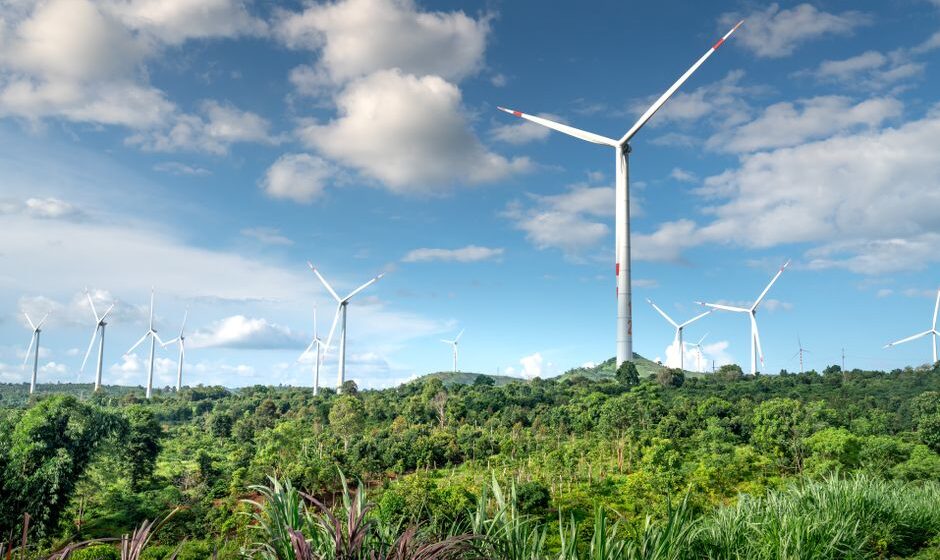

An environmental lawyer advises on the laws that protect air, water, land, wildlife and the climate, and on how businesses, governments and communities comply with, use or challenge those laws. The work includes environmental permitting and compliance for industrial sites; pollution and contaminated land; waste, water and chemicals regulation; environmental impact assessment and planning for major projects; climate change law, including emissions trading, net zero commitments and climate-related disclosure; energy and natural resources, such as renewable energy projects and the energy transition; environmental aspects of mergers, acquisitions and property deals; enforcement and criminal prosecutions; public law challenges and judicial review; and litigation, including climate cases. Environmental lawyers work at law firms, regulators and government departments, nongovernmental organisations and campaign groups, in-house at energy, infrastructure, manufacturing and consumer companies, and in policy and academic roles. The field suits lawyers who want to combine technical regulation with issues of public interest and long-term impact.
This guide explains the main areas of environmental law, the types of employers and clients, the skills required, a worked example, a typical day, career paths, pay and how to break in.
Main areas of environmental practice
| Area | Typical work |
|---|---|
| Permitting and compliance | Advising on permits for emissions, discharges and waste; compliance audits |
| Contaminated land | Liability for pollution, remediation obligations, property transactions |
| Waste, water and chemicals | Regulatory requirements for handling, storage and disposal |
| Environmental impact assessment | Assessing environmental effects of major projects within planning processes |
| Climate change law | Emissions trading, climate targets, net zero strategies, climate-related disclosure |
| Energy and natural resources | Renewable energy, grid connections, oil and gas decommissioning, mining |
| Transactions | Environmental due diligence, warranties and indemnities in deals |
| Enforcement and prosecutions | Defending or bringing regulatory enforcement and criminal proceedings |
| Public law and judicial review | Challenging or defending government decisions affecting the environment |
| Litigation | Nuisance claims, toxic tort and product cases, climate litigation |
| ESG and sustainability | Advising on sustainability reporting, greenwashing risk and supply chain obligations |
Who environmental lawyers work for
| Employer or client type | Typical perspective |
|---|---|
| Businesses (energy, infrastructure, manufacturing, real estate) | Compliance, permits, transactions, managing liability and disputes |
| Investors and lenders | Environmental risk in investments and financing |
| Governments and regulators | Drafting policy, enforcing rules, defending decisions |
| NGOs and community groups | Campaigns, legal challenges, protecting habitats and communities |
| International organisations | Treaties, climate negotiations, development projects |
Many environmental lawyers move between these sides during their careers, which gives them a broad understanding of how environmental law works in practice.
Skills environmental lawyers need
- Regulatory analysis, interpreting technical legislation and guidance.
- Scientific and technical literacy, understanding pollution, emissions, ecology and engineering concepts well enough to work with experts.
- Project management, especially on large infrastructure and energy projects.
- Advocacy, in enforcement proceedings, inquiries, judicial reviews and litigation.
- Commercial awareness, balancing environmental requirements with project economics.
- Policy awareness, following fast-changing climate and environmental policy.
- Communication, explaining complex issues to clients, communities and decision-makers.
- Ethical judgement, particularly on greenwashing, disclosure and public interest issues.
A worked example: a solar farm development (hypothetical)
A renewable energy developer plans to build a large solar farm on agricultural land. The environmental and energy lawyer advising the developer works across several areas:
- Planning and consents: identifies the consents required for a project of this size and type, which may depend on capacity thresholds and local planning rules.
- Environmental impact assessment: advises whether an assessment is required and helps coordinate ecological, landscape, flood risk and heritage studies with environmental consultants.
- Habitats and protected species: reviews ecological surveys for protected species and habitats, and advises on mitigation and any licences needed.
- Grid connection and energy regulation: works with energy specialists on grid connection agreements and the regulatory framework for selling electricity.
- Land agreements: coordinates with real estate lawyers on leases or options with landowners, including decommissioning obligations at the end of the project’s life.
- Community engagement: advises on consultation requirements and responding to objections.
- Financing: supports environmental due diligence for lenders and investors.
The example is illustrative; requirements depend on jurisdiction and project specifics. It shows how environmental lawyers combine regulatory, planning and commercial knowledge on energy transition projects.
A day in the life (hypothetical)
Here’s an illustrative day for an environmental associate at a law firm:
- 9:00 Reviews an environmental audit report for a manufacturing site a client is buying, flagging contamination risks.
- 10:30 Drafts environmental warranties and an indemnity for the purchase agreement.
- 12:00 Call with a client about a regulator’s notice requiring improvements to a waste facility.
- 14:00 Researches new climate disclosure requirements affecting a listed company client.
- 15:30 Meets planning consultants about an upcoming public inquiry for an infrastructure project.
- 17:00 Writes a client briefing on proposed changes to environmental permitting rules.
How to become an environmental lawyer
In England and Wales
- Qualify as a solicitor through the SQE route, or as a barrister. Our guides to the SQE route and solicitors vs barristers explain both routes.
- Seek environmental, planning or energy seats during training.
- Consider public sector roles with environmental regulators, government legal services or local authorities.
- Explore NGO opportunities, including environmental legal charities.
In the United States
- Complete a JD and pass the bar exam.
- Take environmental, energy, natural resources and administrative law courses, and join environmental law clinics.
- Gain experience with environmental agencies, NGOs, state attorneys general or law firm environmental practices.
Backgrounds that help
Environmental science, geography, engineering or policy degrees can help, as can experience with environmental consultancies or campaign groups. Postgraduate study in environmental law or climate policy is common.
Career path
| Stage | Typical roles |
|---|---|
| Entry | Trainee, junior associate, regulator legal officer, NGO legal assistant |
| Mid-career | Associate, senior associate, government lawyer, in-house environmental counsel |
| Senior | Partner, head of environment at a regulator, NGO legal director, general counsel at an energy company |
| Policy and academia | Policy advisers, think tanks, international organisations, academics |
Our guide to legal careers explains how environmental law fits among other practice areas.
Pay
The U.S. Bureau of Labor Statistics reports a May 2025 median of $159,670 for all lawyers, with the lowest 10% earning less than $78,360 and the highest 10% more than $351,600 (BLS). It doesn’t publish environmental-specific figures. Environmental and energy lawyers at large firms advising on major projects, transactions and regulatory matters are typically paid on market associate scales, while roles at regulators, government departments and NGOs generally pay less but offer policy influence and public interest work. In-house environmental counsel at energy, infrastructure and manufacturing companies can be well paid. Climate and energy transition work has grown, supporting demand for specialists.
Pros and cons of an environmental law career
Pros
- Work on issues of long-term public and planetary importance.
- Variety across regulation, projects, transactions, policy and litigation.
- Growing demand driven by climate policy and the energy transition.
- Options in private practice, government, NGOs and in-house.
Cons
- Highly technical regulation that changes frequently.
- Long project timelines and complex consenting processes.
- Pay in public interest and NGO roles can be modest.
- Potential tension between personal values and client positions.
Common mistakes junior environmental lawyers make
- Underestimating technical detail, such as permit conditions and monitoring requirements.
- Overlooking environmental issues in transactions, especially contaminated land and permit transfers.
- Not working closely enough with experts such as ecologists and engineers.
- Missing consultation or procedural requirements, which can be grounds for legal challenge.
- Ignoring greenwashing risk in sustainability claims and disclosures.
- Not tracking policy changes, particularly in climate and energy regulation.
Environmental enforcement and regulatory defence
A significant share of environmental work involves enforcement. Regulators can inspect sites, require information, issue notices requiring improvements, suspend or revoke permits, impose civil penalties and, for serious breaches, bring criminal prosecutions against companies and sometimes individual directors. Environmental lawyers advising businesses help them respond to incidents such as pollution spills, prepare for inspections, investigate what went wrong, communicate with regulators and decide whether to accept enforcement undertakings where these are available. In prosecutions, they defend clients in court, often with expert evidence on causation, environmental harm and remediation, and present mitigation if a breach is admitted.
Lawyers working for regulators handle the other side: investigating breaches, deciding on proportionate enforcement responses, prosecuting cases and defending decisions when they’re challenged. Enforcement policies usually emphasise proportionality, considering factors such as the seriousness of harm, the operator’s history and cooperation, and whether there was intent or negligence.
Prevention is also part of the work. Businesses with strong environmental management systems, regular compliance audits, staff training and clear incident response plans are less likely to face serious enforcement and better placed to respond if something goes wrong. Environmental lawyers often help design these systems and audit compliance across portfolios of sites, particularly before acquisitions or financings, when undiscovered liabilities can affect value significantly. This combination of advisory, investigative and contentious work makes enforcement a valuable specialism within environmental law.
Public law and environmental challenges
Environmental lawyers also work on public law matters, challenging or defending decisions by governments and public bodies that affect the environment. Typical cases include challenges to planning permissions for major developments, decisions on environmental permits, the adequacy of environmental impact assessments, and government policies on climate targets or nature protection. In England and Wales, these are usually brought by judicial review, which examines whether a decision was lawful, rational and procedurally fair rather than whether it was the best decision. Strict time limits apply, so early advice is essential. NGOs, community groups and businesses all bring such challenges, and public bodies defend them. Rules exist in some jurisdictions to limit costs exposure in environmental cases, reflecting international commitments on access to environmental justice. This work suits lawyers who enjoy legal argument about government decision-making and policy, and it often involves close collaboration with barristers and expert witnesses.
Building environmental expertise early
Junior lawyers can accelerate their development by reading regulators’ published guidance and enforcement decisions, following consultations on new environmental rules, joining environmental law associations and volunteering with environmental legal charities. Writing short articles on recent developments, such as a new climate disclosure rule or a significant court decision, builds knowledge and visibility at the same time.
Site visits to industrial facilities, renewable projects or water treatment works, where clients allow them, also make technical concepts far easier to understand.
Ask your supervisors whether such visits are possible on current matters.
Take careful notes.
Climate change law and ESG
Climate change has transformed environmental practice. Lawyers now advise on national and international climate targets, emissions trading schemes, carbon markets and offsets, climate-related financial disclosures, transition plans, and the legal risks of climate claims in marketing. Climate litigation has expanded in many countries, with cases against governments over climate policy and against companies over emissions or misleading claims. ESG advisory work, covering environmental, social and governance issues, has grown alongside, though definitions and regulation vary widely. Lawyers interested in this area should follow official policy developments closely, understand how disclosure and consumer protection rules apply to sustainability claims, and be careful to distinguish verified commitments from marketing statements.
FAQ
What does an environmental lawyer do?
An environmental lawyer advises on environmental permits, pollution, climate and energy regulation, environmental aspects of projects and deals, enforcement and litigation, for businesses, governments or campaign groups.
Do environmental lawyers need a science degree?
No, but scientific literacy helps. Many environmental lawyers studied law or humanities and learned technical concepts through practice and collaboration with experts.
Is environmental law a growing field?
Yes. Climate policy, the energy transition, sustainability reporting and environmental enforcement have increased demand for environmental and energy lawyers in many countries.
Can environmental lawyers work for both businesses and NGOs?
Yes, over a career many move between private practice, government, NGOs and in-house roles, though at any one time they must avoid conflicts of interest.
Takeaway
Environmental lawyers work at the intersection of regulation, science, projects and public interest, advising on permits, pollution, climate, energy, transactions and litigation. Build regulatory analysis and technical literacy, seek environmental, planning or energy experience, follow climate policy closely and consider the full range of employers, from firms to regulators and NGOs. For other paths in law, see our list of entry-level legal jobs.